
Trump to Visit India in 2026 Amid Trade Tensions
Modi-Trump Meet Set to Test India-US Ties
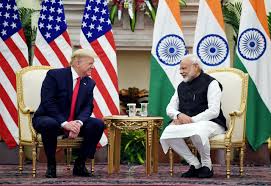
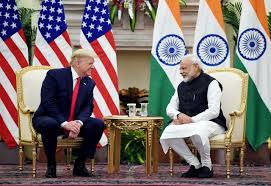
After all the posturing, tariff wars, and public jabs, President Donald Trump has finally hinted at visiting India in early 2026. Announcing his plans at a press conference in Washington D.C. yesterday, November 7th, Trump said, “Prime Minister Modi is a great friend of mine, and we’re going to do some tremendous things together”. Yet behind the flattering rhetoric lies a complicated backstory - one marked by distrust, tariffs, and bruised egos on both sides. Trump’s decision to come to New Delhi is not just about renewing friendship; it’s about resetting control, reclaiming narrative, and renegotiating power in a relationship that has moved beyond theatrics.
Friction Underneath the Friendship
The roots of tension between Trump and Modi go deeper than trade disagreements. Trump was never pleased that India firmly rejected his repeated claims of “personally preventing” an India–Pakistan war during the last border crisis. Both the Indian government and the military made it clear that the ceasefire was purely a bilateral decision, with “no third-party intervention of any kind.” Many believe that Trump saw Modi’s public dismissal of his statement as a personal slight - an embarrassing contradiction on the global stage and this irritation directly fueled the wave of tariffs the US imposed soon after, targeting Indian steel, pharma, and textiles under the guise of “economic rebalancing”.
The Quad and the Negotiating Table
This time, Trump’s India visit will carry more transactional weight than ceremonial sparkle. Washington wants deeper integration with New Delhi through the Quad to tighten its Indo-Pacific posture, while India seeks fairer trade, technology access, and defense collaboration without dependence. The U.S. hopes to showcase India as a strategic ally against China; India wants recognition as a power in its own right. The difference between symbolism and substance will define the meeting. Modi is open to cooperation on maritime security, clean energy, and semiconductor manufacturing—but he will not sign away autonomy for optics.
Trade Red Lines and Strategic Patience
As trade talks heat up behind closed doors, both sides know the lines they cannot cross. India’s red lines remain clear: no digital dominance under the pretext of open markets, no exposure of agricultural sovereignty, and no compromise on data localization. The long-awaited $500 billion bilateral trade pact could advance only if these boundaries are respected. While Trump wants to bring back manufacturing jobs and exports to America, India insists on parity, not pressure. Modi’s quiet persistence, even in the face of earlier U.S. tariffs and public taunts, has earned New Delhi more credibility than confrontation ever could.
India’s Resilient Response
Despite Trump’s taxes and tightening rhetoric, India’s economy has weathered the strain. Growth briefly dipped by 0.2–0.3 percent, but the fundamentals remain robust. The IMF now projects a 6.7 percent GDP growth for FY2025, while the World Bank places it at 6.9 percent - the highest among major economies.
So, What Trump’s Visit Would Really Mean
Even as Trump prepares for another grand handshake moment, his visit is not going to be about nostalgic friendship this time - it would be a stage for pragmatic negotiations. India has weathered his tariffs, called out Pakistan’s duplicity, and shown it can handle high-pressure diplomacy without bending. It no longer sees America as a savior or a bully, India has also projected itself as a powerful partner with whom deals must serve mutual interest.
As the world watches these two power centers meet again, one thing is certain: India will not dance to anyone’s tune. It is leading its own rhythm—firm, calm, and unmistakably sovereign.